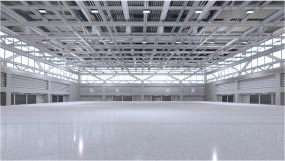
Industrial facilities are specialized buildings or complexes designed to support manufacturing, production, storage, and distribution processes for goods and materials. These facilities are essential components of the industrial supply chain, enabling businesses to produce, process, and deliver products efficiently and on a large scale.
Types of Industrial Facilities:
Manufacturing Plants
Facilities where raw materials are transformed into finished goods.
Spaces for storing, organizing, and distributing goods.
Examples: Fulfillment centers for e-commerce, cold storage facilities for perishables.
Processing Plants
Facilities focused on refining or processing raw materials into usable forms.
Examples: Oil refineries, food processing plants, chemical plants.
Power Plants
Sites dedicated to generating energy, such as electricity or fuel.
Examples: Nuclear power plants, solar farms, wind turbine installations.
Fabrication Facilities
Workshops or factories where components are assembled or customized.
Examples: Metal fabrication shops, plastic molding plants.
Research and Development (R&D) Facilities
Industrial labs for testing, designing, and innovating new products or processes.
Key Features of Industrial Facilities:
Specialized Equipment:
Heavy machinery, automated systems, and robotics are often central to operations.
Infrastructure:
Industrial facilities are built to handle high energy demands, waste management systems, and transportation needs, including proximity to highways, railroads, or ports.
Safety Standards:
Facilities adhere to strict safety regulations to protect workers, equipment, and the environment. This includes fire suppression systems, ventilation, and protective measures for hazardous materials.
Zoning and Layout:
Industrial facilities are typically located in designated industrial zones and are designed to maximize operational efficiency. Layouts often separate production, storage, and administrative areas.
Environmental Considerations:
Many modern facilities incorporate sustainability practices, such as energy-efficient systems, renewable energy sources, and waste recycling programs.
Importance of Industrial Facilities:
Economic Drivers:
These facilities are key contributors to local and global economies, generating employment and producing goods for markets worldwide.
Supply Chain Backbone:
Industrial facilities ensure a steady supply of goods, raw materials, and energy, supporting industries like retail, construction, and healthcare.
Technological Innovation:
Many industrial sites are at the forefront of advancements in automation, AI, and sustainable practices.