
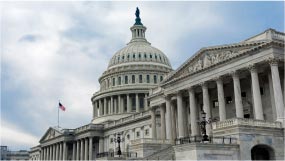
Government facilities are buildings and spaces owned, managed, or utilized by government entities to provide public services, administrative functions, and infrastructure support. These facilities vary widely in purpose and scope, ranging from federal, state, and local government offices to specialized buildings like military bases, courthouses, post offices, public schools, and healthcare centers.
Characteristics:
- Design and Functionality
Government facilities are often designed with efficiency, security, and accessibility in mind. They may feature spacious interiors, secure entry points, and layouts that facilitate public interactions and administrative workflows. Iconic structures like capitol buildings or city halls often include elements of grandeur to symbolize authority and civic pride. - Services Offered
These facilities provide essential services, such as issuing permits and licenses, processing legal documents, delivering healthcare, and maintaining public safety. Examples include Department of Motor Vehicles (DMVs), fire stations, police departments, and municipal buildings. - Public Access
Most government facilities are designed to be accessible to the public, adhering to standards for inclusivity and compliance with regulations like the Americans with Disabilities Act (ADA). Many also include public meeting spaces for community engagement and government transparency. - Technology Integration
Modern government facilities incorporate advanced technologies for efficiency and security, including electronic filing systems, surveillance systems, and renewable energy sources to promote sustainability. - Civic Significance
These facilities are often symbols of governance and public service, fostering trust and accountability in the communities they serve. They also act as landmarks, reflecting architectural styles that range from utilitarian to monumental, depending on their purpose and historical context.
Examples of Government Facilities:
- Administrative Offices (e.g., city halls, federal agencies)
- Public Safety Buildings (e.g., police stations, firehouses)
- Healthcare Centers (e.g., VA hospitals, public health clinics)
- Educational Institutions (e.g., public schools, universities)
- Judicial Buildings (e.g., courthouses, detention centers)
- Infrastructure Support (e.g., water treatment plants, public works depots)
These facilities play a crucial role in maintaining societal order, delivering essential services, and supporting the operations of a functional government.